
Impact Studies
PROVEN EFFECTIVENESS IN GOVERNMENT AND DEFENSE.“Once-Only” in the First Pillar
Social insurance agencies currently receive enrollment confirmations via PDF or mail—which involves a change in medium—and must manually enter the information into specialized applications. This is time-consuming for both students and administrative staff. With studyconfirmation.ch, students provide their consent once via their SWITCH edu-ID. If their enrollment status changes in the university systems, the administering agency is automatically notified according to the “once-only” principle, eliminating the entire semi-annual administrative process. Powered by adminity OpenGrid.

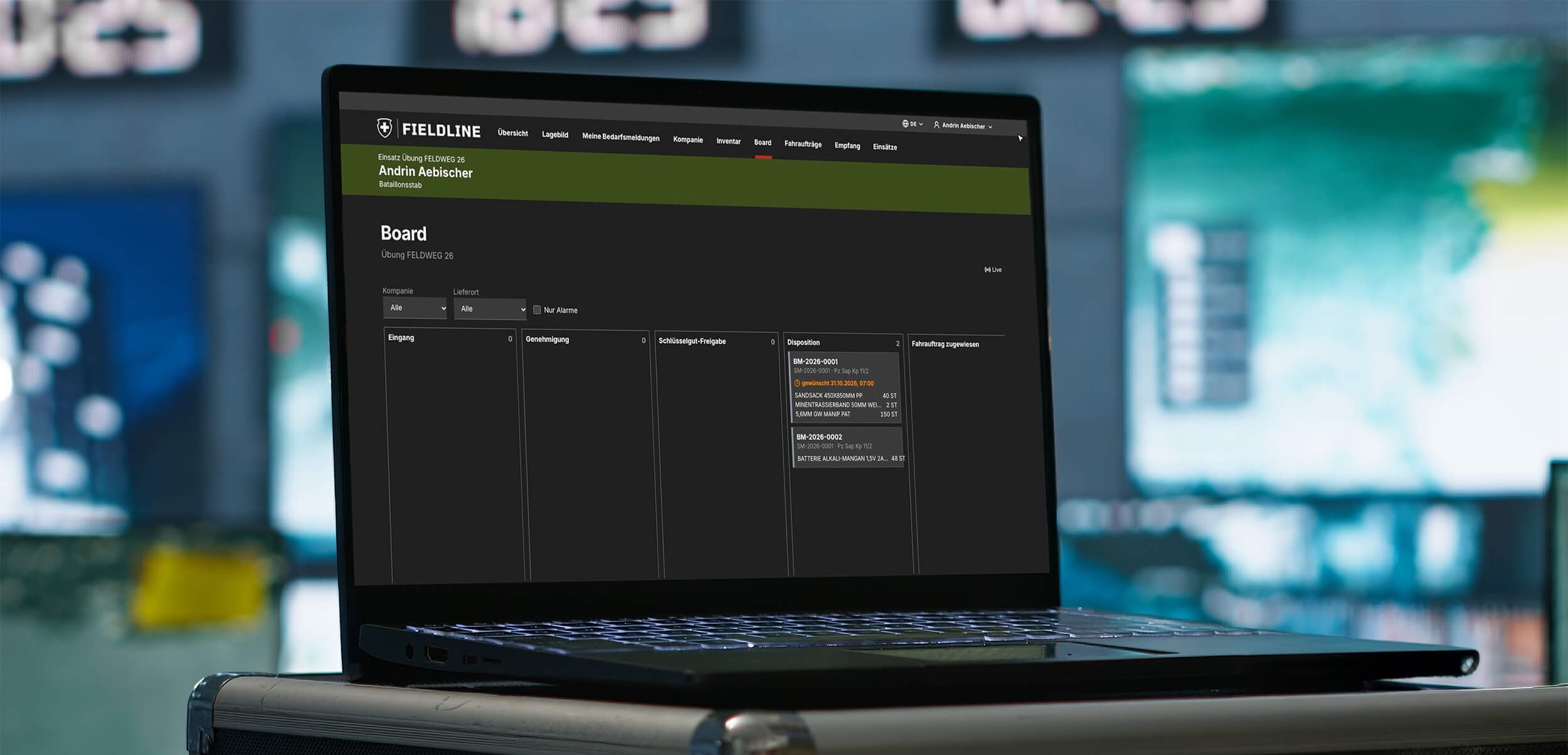
Agentic AI in the Swiss Army's Operational Logistics
In the military’s operational logistics, isolated Excel solutions and analog reporting channels dominate the resupply process. As a result, the situational picture remains incomplete and decisions are delayed. FIELDLINE integrates command, logistics, and vehicle systems into a shared information space, creates a seamless operational process, and significantly reduces resupply lead times through AI-powered recommendations for action. Powered by adminity OpenGrid & Lumina.
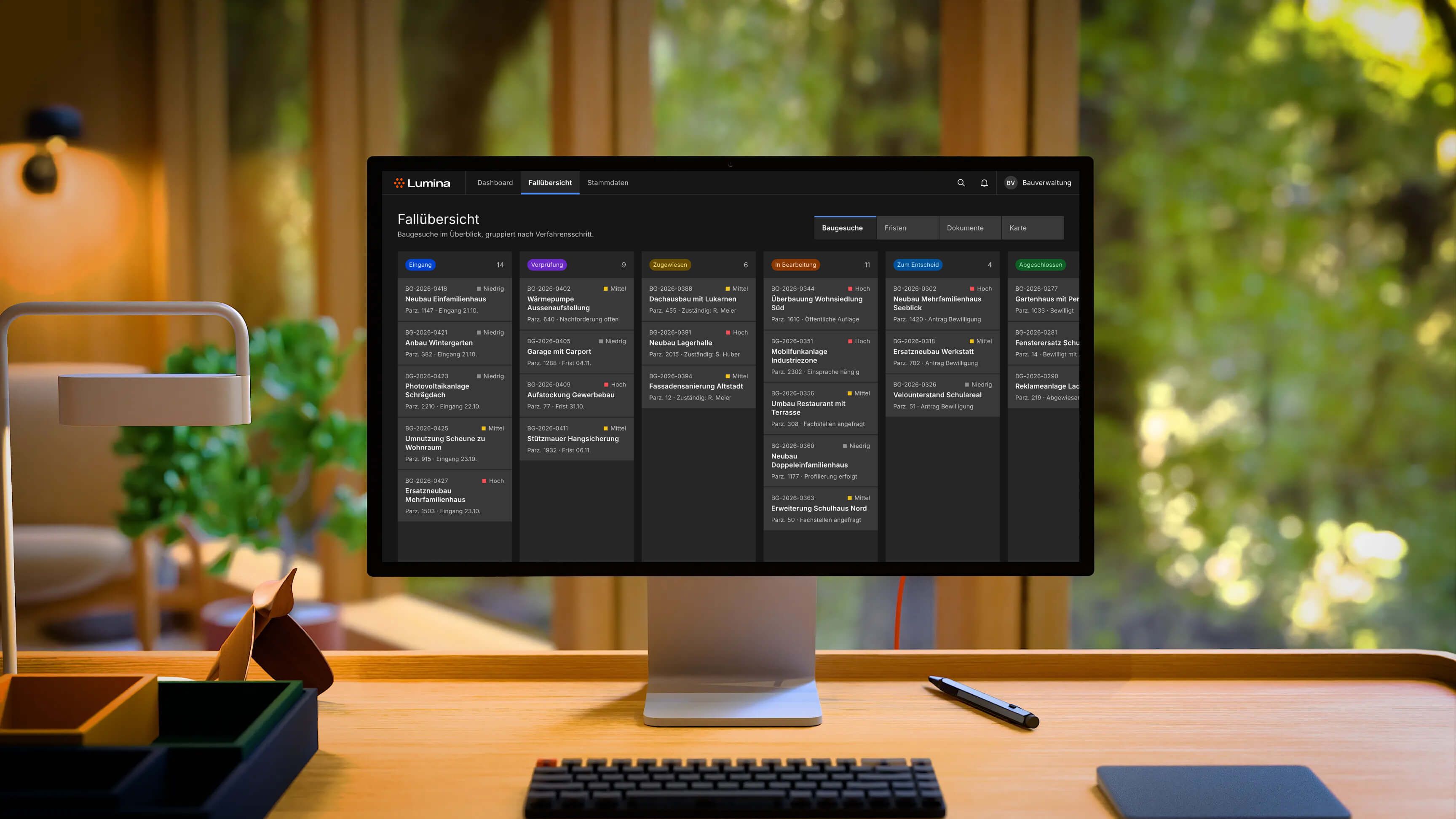
Agentic AI in Cantonal Application Processes
Today, cantonal agencies process applications largely by hand: verifying information, compiling data from various specialized systems, and cross-checking legal bases. With Lumina, AI agents take on this preliminary work and provide case workers with a complete case overview and a well-reasoned decision recommendation; the final decision remains with the human case worker. Together with several cantonal agencies, we are currently testing this approach in real-world application processes, based on adminity OpenGrid.
ERP Modernization & Cloud Transformation
An on-premises ERP system that had evolved over the years reached its end of life without vendor support, resulting in high maintenance costs and increasing operational risks. We reengineered the system, streamlined the process logic, and migrated the solution to the cloud without interrupting ongoing operations. The result is a maintainable, scalable architecture that can be further developed to meet new AI requirements.
